
NIKKOR Z 120-300mm f/2.8 TC VR S

S-Line
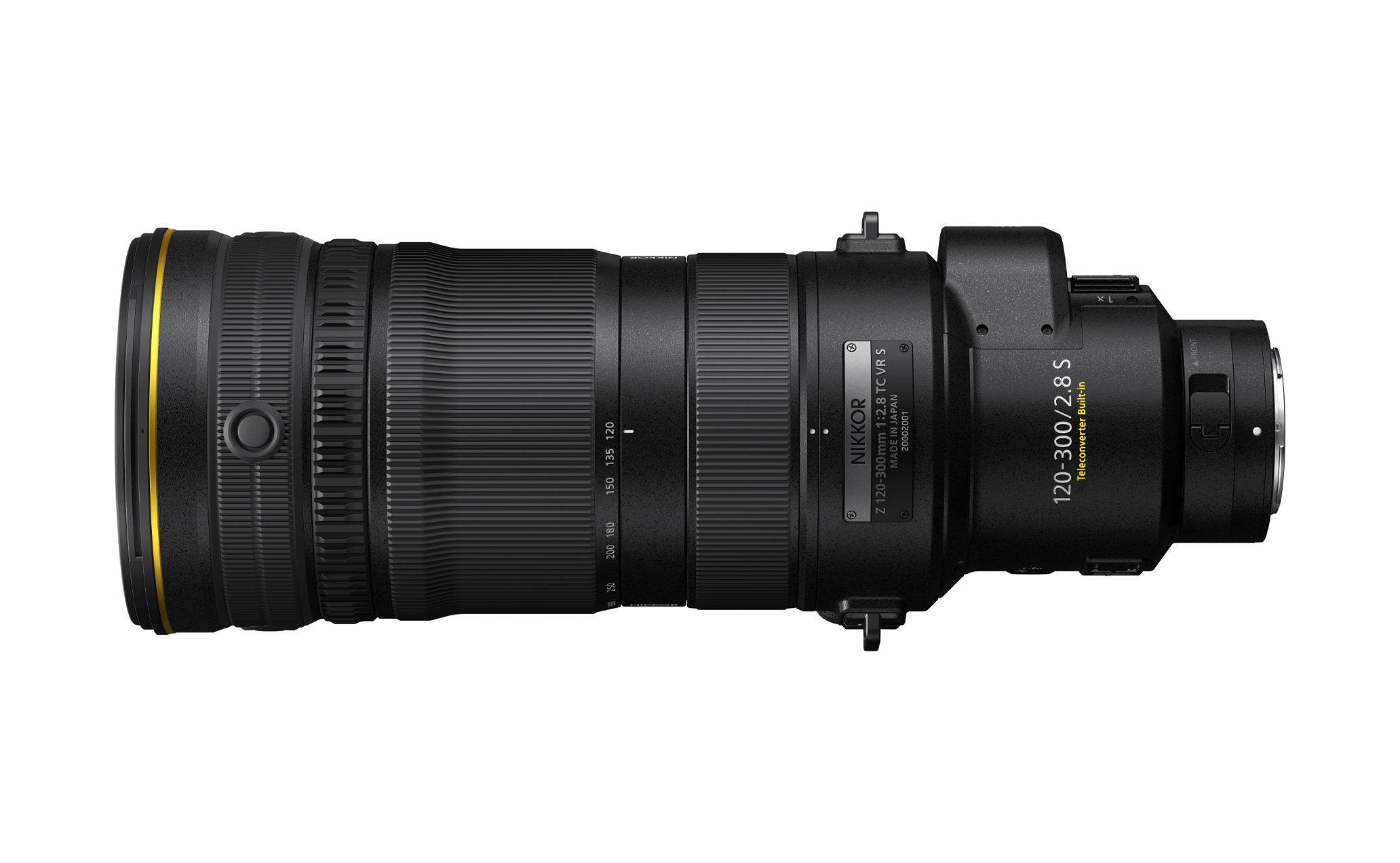
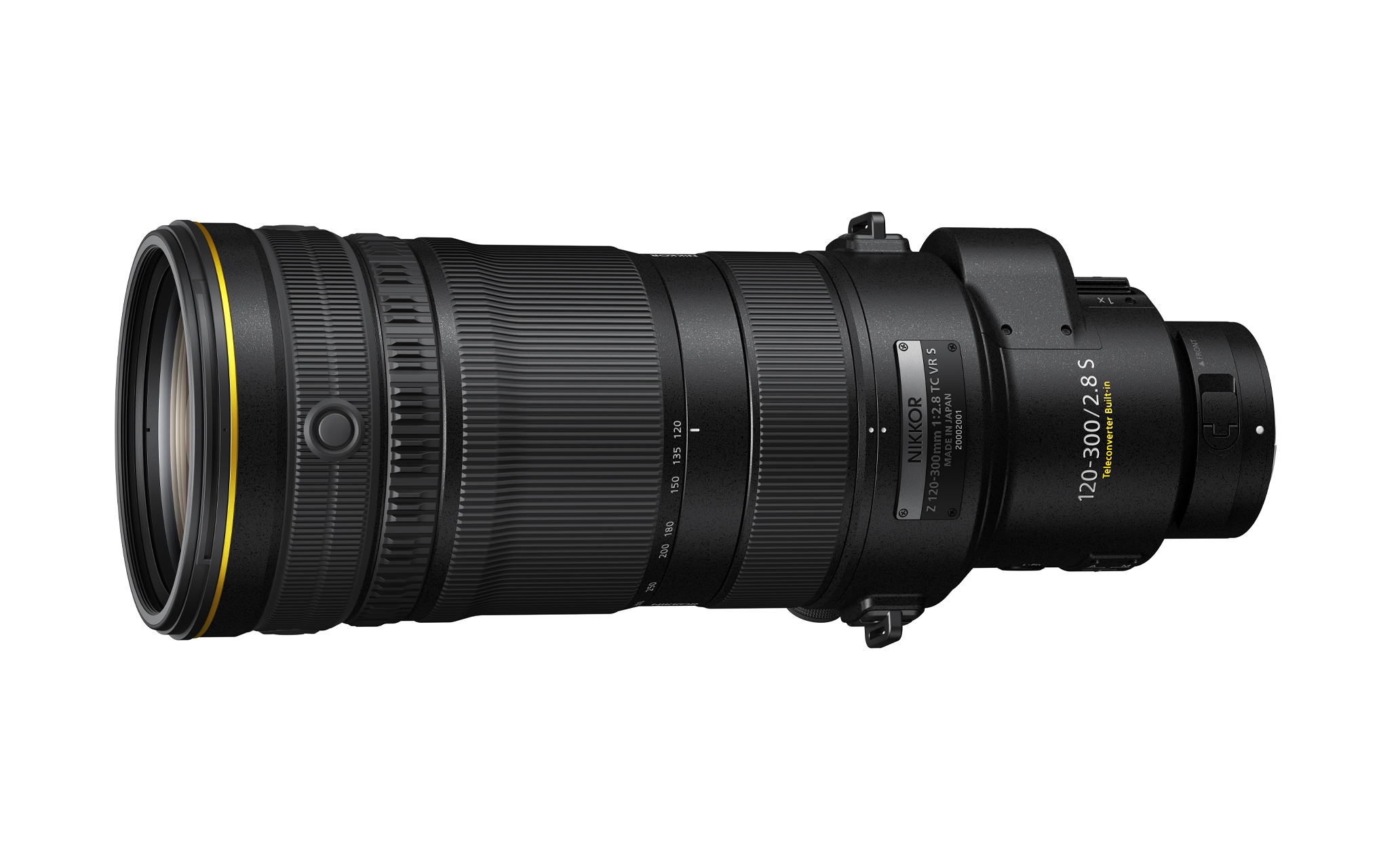
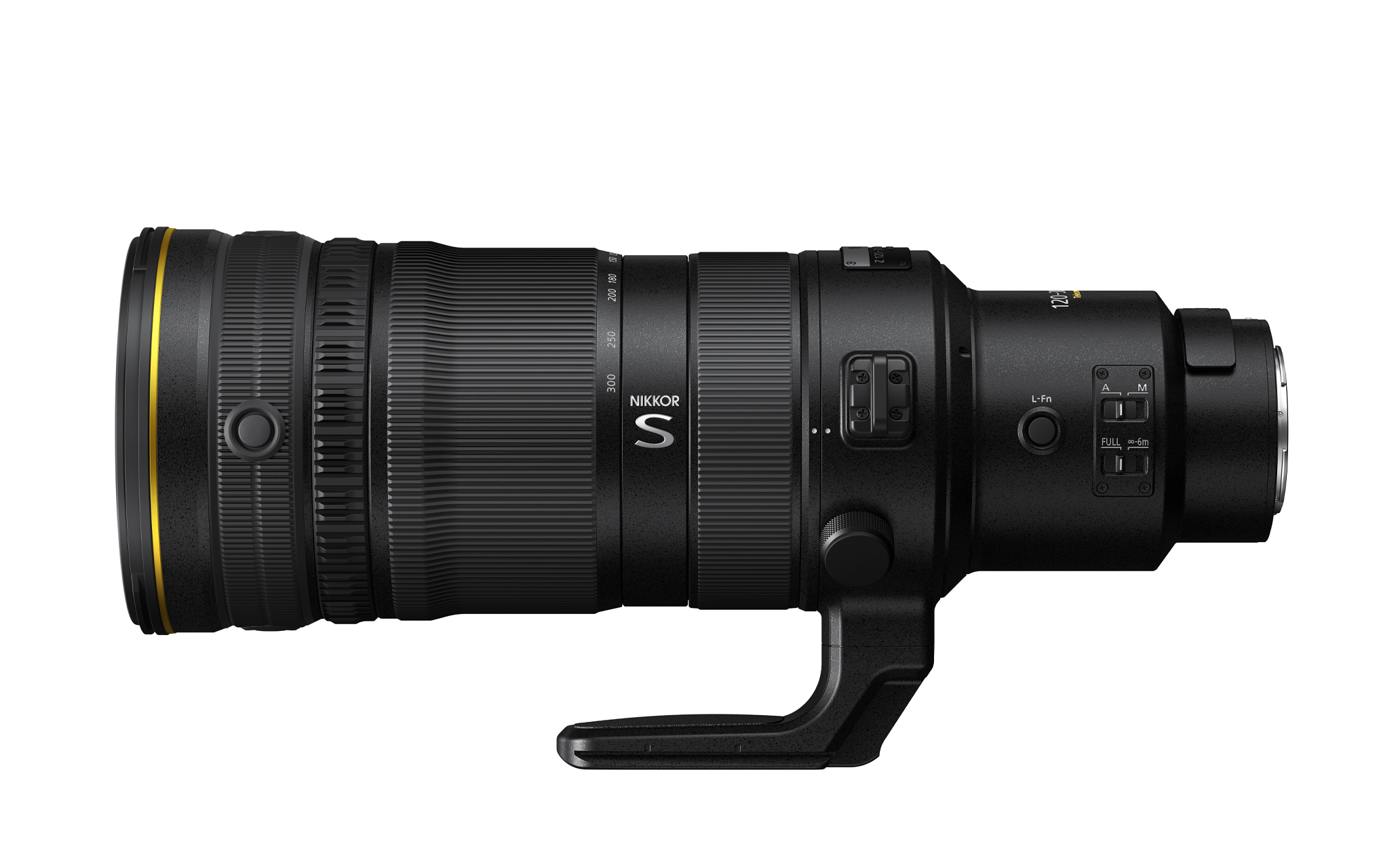
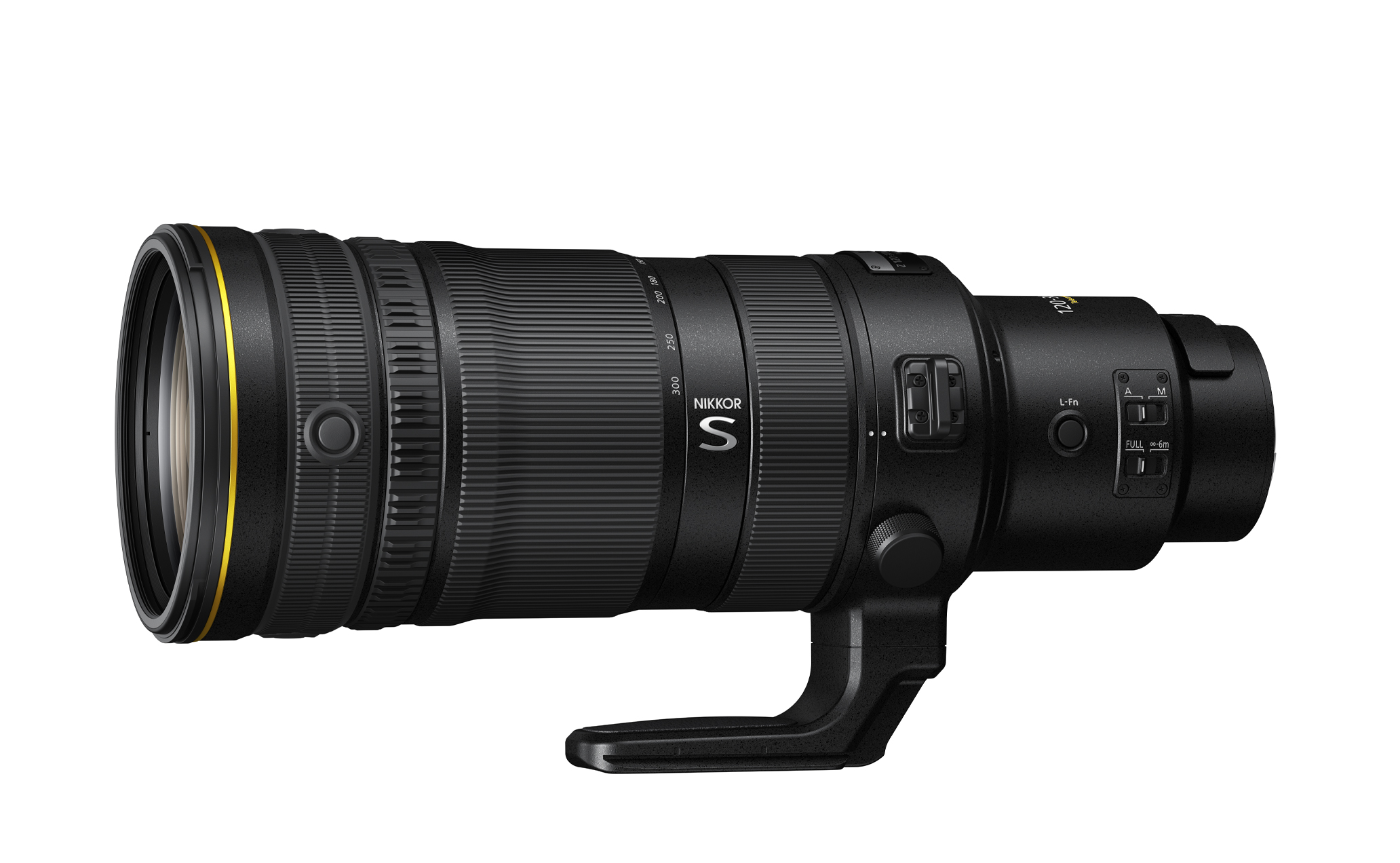

Overview
- The world's first*1 telephoto zoom lens that combines a constant f/2.8*2 maximum aperture with a built-in teleconverter, covering a versatile 120-420 mm focal length range.
- *1As of October 29, 2026. Based on Nikon research.
- *2f/4 when using a teleconverter.
- Exceptional image quality comparable to a prime lens, achieved with a fast aperture, superb optical system and advanced lens coatings, makes subjects stand out throughout the entire zoom range, even when using the built-in teleconverter.
- High-speed, high-precision autofocus enabled with Silky Swift VCM (SSVCM) as well as powerful Vibration Reduction supports the capture of sharp images in sports photography and across a wide variety of other shooting situations.
- Despite featuring a built-in 1.4 x teleconverter, its lightweight design delivers outstanding agility to help you never miss a decisive moment.
- High functionality and operability for comfortable shooting even in demanding situations.
Specifications
Focal length |
|
|---|---|
Maximum aperture |
|
Minimum aperture |
|
Lens construction |
30 elements in 24 groups (including 8 elements in 5 groups in the built-in teleconverter, 1 ED glass, 1 Super ED glass, 1 aspherical lens, 1 fluorite lens and 1 SR lens elements, elements with Meso Amorphous Coat and ARNEO Coat, and a fluorine-coated front lens element) |
Angle of view |
|
Minimum focus distance (measured from focal plane) |
The focal length when using the built-in teleconverter is 1.4x the value without it, but the minimum focus distance will remain the same. |
Maximum reproduction ratio |
|
Diaphragm blades |
9 (rounded diaphragm opening) |
Filter-attachment size |
|
Dimensions |
Approximately 128 mm/5.1 in. maximum diameter x 353.5 mm/1 ft 2 in. (distance to end of lens from camera lens mount flange) |
Weight |
Approximately 2,735 g/6 lb 0.5 oz |
Supplied accessories |
LC-112B Front Lens Cap, LF-N1 Rear Lens Cap, HB-120 Lens Hood, LN-4 Lens Strap, CL-L3 Lens Case |
- Specifications are subject to change without notice.
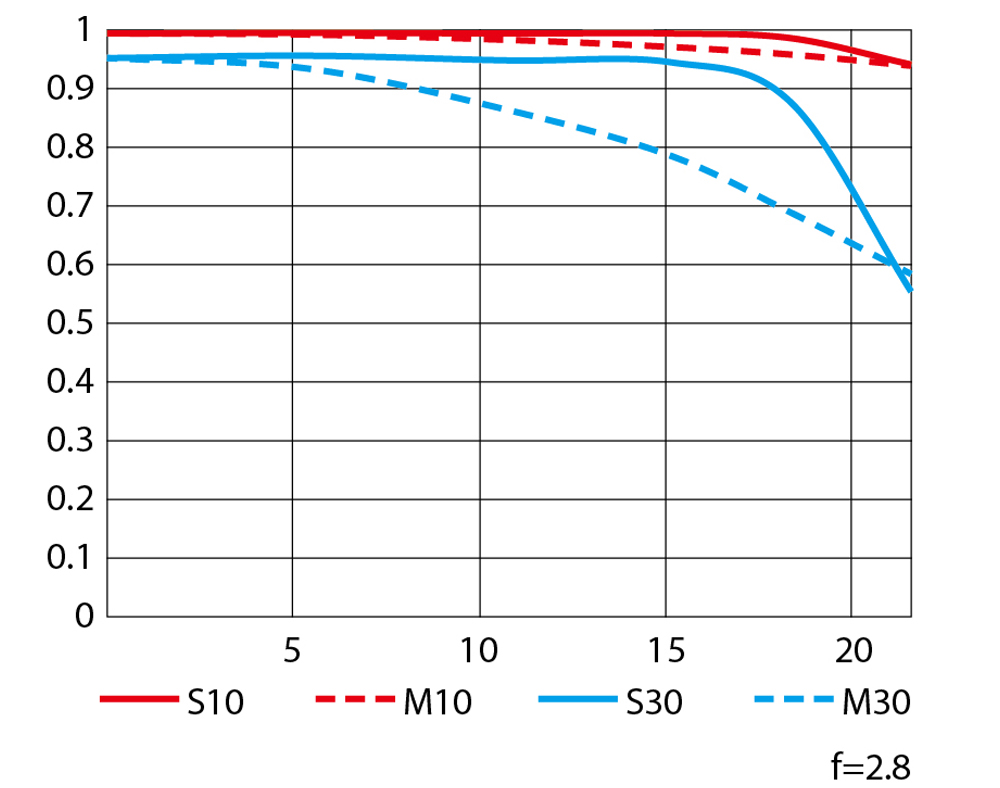
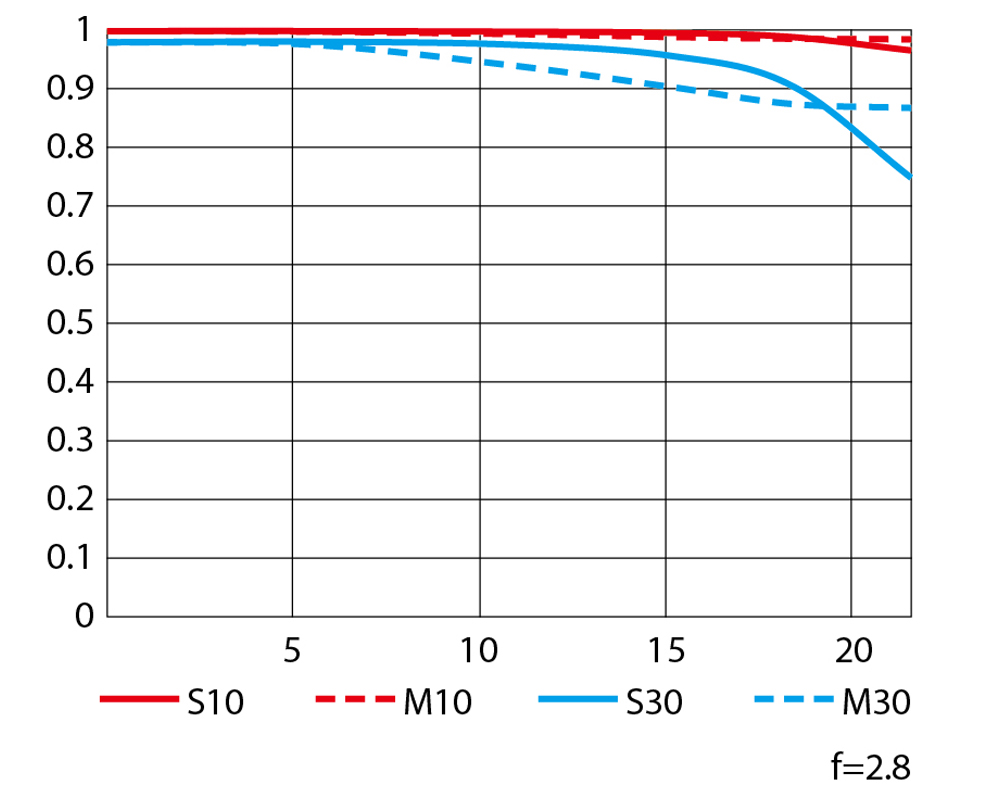
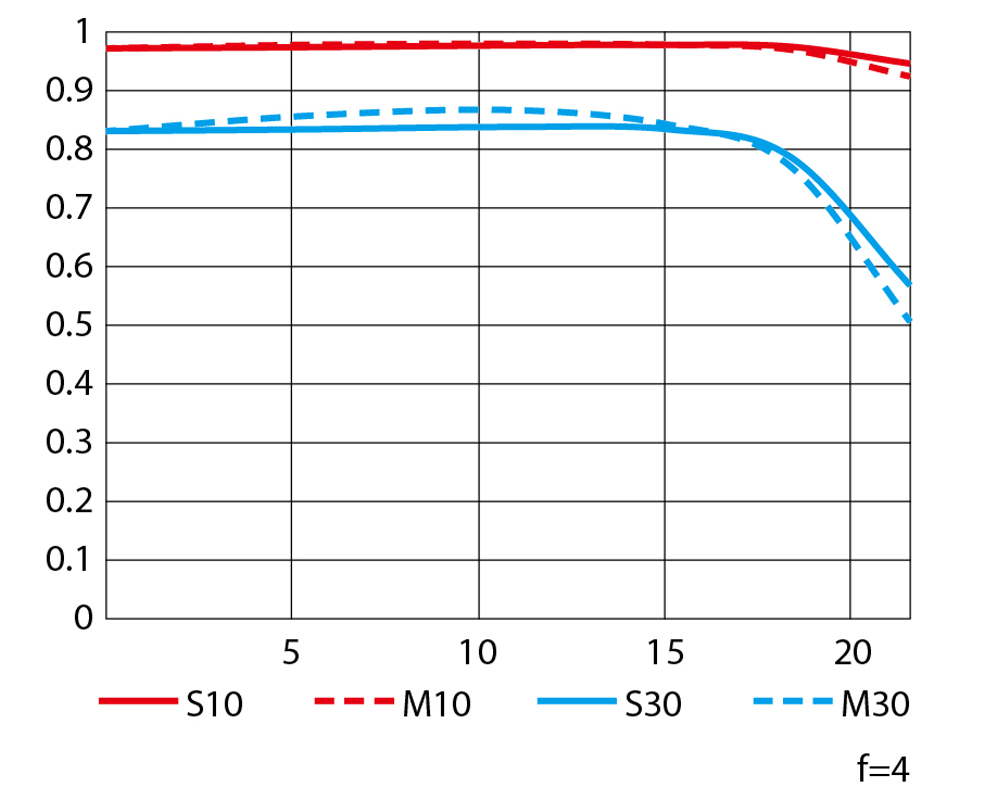
MTF Chart
• Without built-in teleconverter wide
• Without built-in teleconverter tele
• With built-in teleconverter wide
• With built-in teleconverter tele
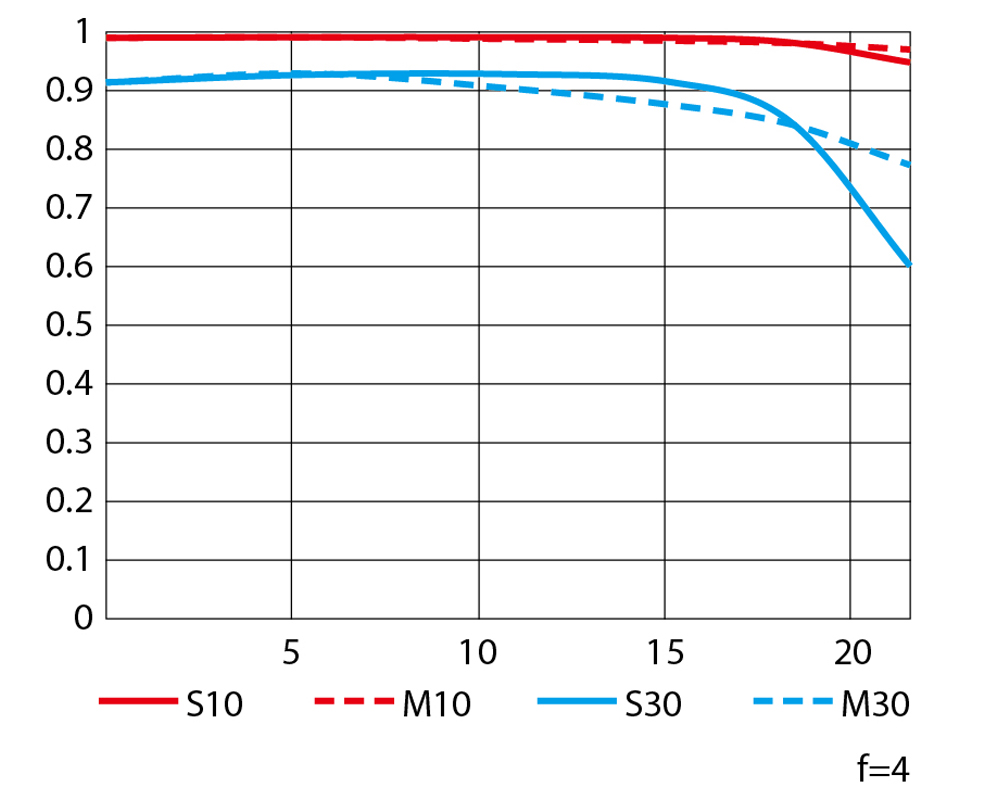
| Spatial Frequencies | S: Sagittal | M: Meridional |
|---|---|---|
| 10 lines/mm |  |
 |
| 30 lines/mm |  |
 |
Lens Construction
Without built-in teleconverter
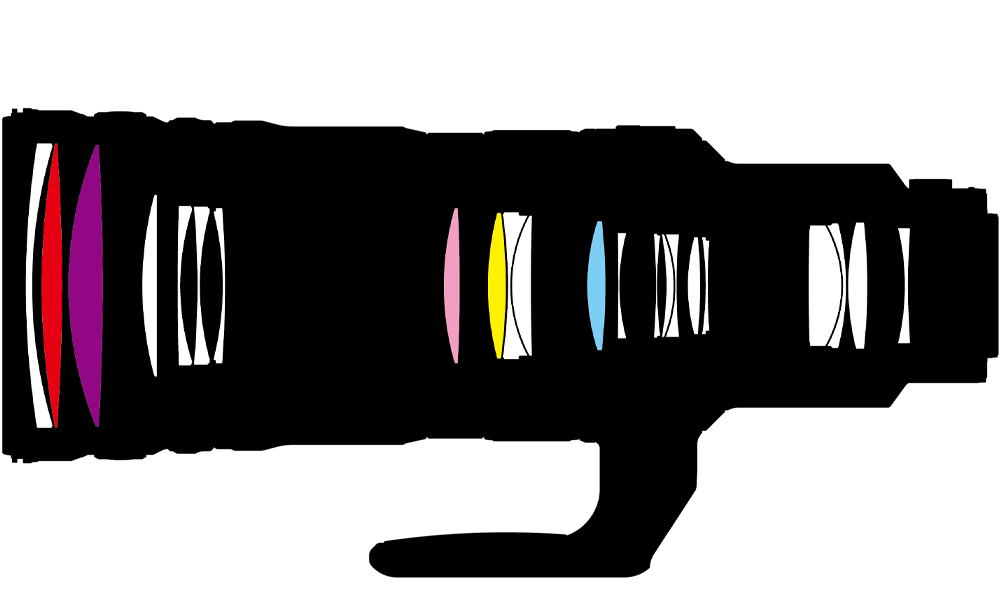
- ED glass elements
- Super ED glass elements
- Fluorite lens elements
- Aspherical lens elements
- SR lens elements
With built-in teleconverter
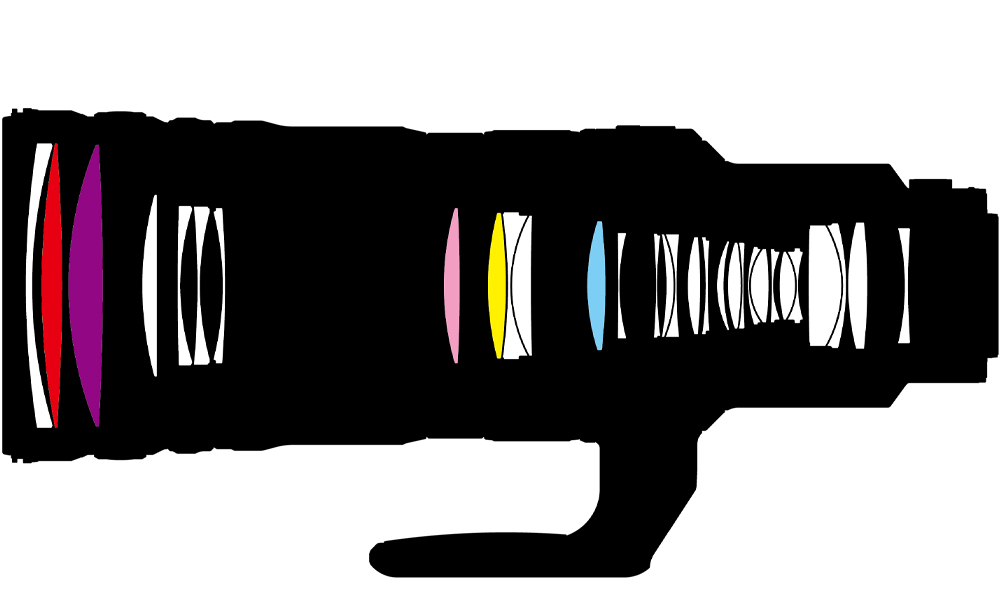
- ED glass elements
- Super ED glass elements
- Fluorite lens elements
- Aspherical lens elements
- SR lens elements